


Knowing the true value of your rug is essential, whether for insurance, resale, or simply understanding its history. A professional rug appraisal helps determine its worth by assessing key factors such as age, condition, and craftsmanship. This guide will walk you through everything you need to know about rug appraisal.
What Is a Rug Appraisal and Why Is It Important?
A rug appraisal is an expert evaluation that determines a rug’s market value based on various factors. Appraisals help with:
• Insurance Coverage – Protect your rug in case of damage or theft.
• Resale Value – Set the right price if you plan to sell.
• Historical Interest – Learn more about your rug’s origin and cultural significance.
Key Factors That Influence Rug Value
Understanding what makes a rug valuable can help you appreciate its worth. Professional appraisers look at several elements, including:
1. Age and Origin
Older rugs, especially those from renowned regions like Persia, Turkey, or China, often hold higher value due to their rarity and cultural significance.
2. Material and Weaving Techniques
Handwoven rugs made from high-quality wool or silk carry more value than synthetic or machine-made options. Craftsmanship, knot density, and design complexity also impact the rug’s worth.
3. Design, Patterns, and Colors
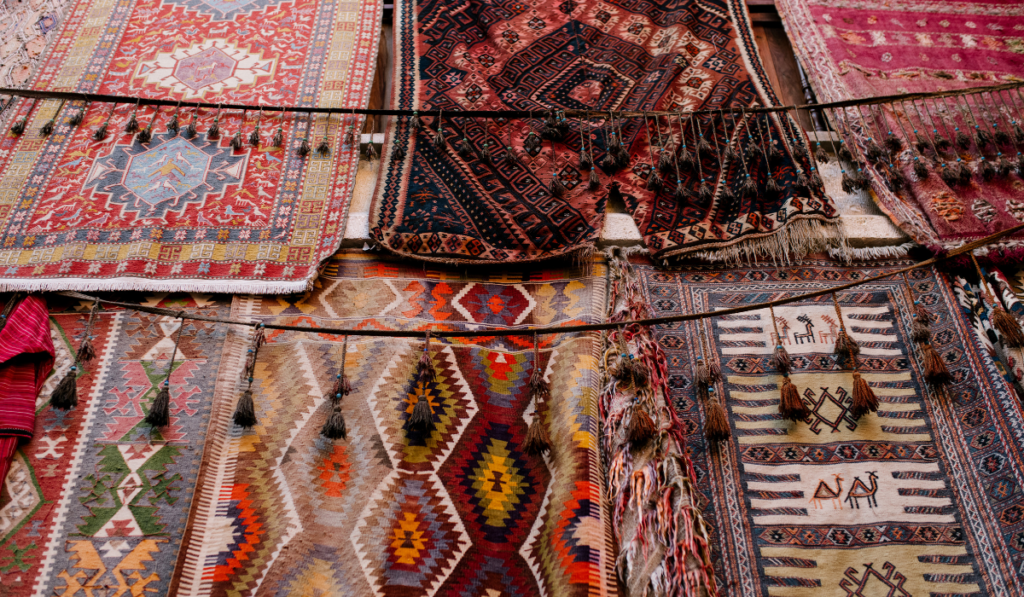
Intricate designs and natural dyes enhance the value of a rug. Traditional patterns from specific regions are often more desirable.
4. Condition and Preservation
Rugs in excellent condition, free from stains, wear, or repairs, will appraise higher. Regular maintenance and proper storage play a key role in preserving value.
The Rug Appraisal Process
A thorough appraisal consists of several steps to ensure accuracy:
1. Initial Inspection – An appraiser examines the rug’s weave, materials, and overall structure.
2. Documentation and Research – The rug’s history, origin, and previous sales data are considered.
3. Market Analysis – Current demand and market trends influence the final valuation.
4. Final Report – A formal document outlining the findings and estimated value.
Choosing the Right Rug Appraiser
Hiring the right professional ensures a reliable valuation. Look for:
• Certified Experts – Choose appraisers with recognized credentials.
• Experience – Specialists in antique or handmade rugs provide the most accurate insights.
• Transparent Process – A good appraiser explains the methodology used to determine value.
How Often Should You Get a Rug Appraised?
Experts recommend appraising high-value rugs every 3-5 years, especially if market conditions change or if you’ve made significant restorations.
Common Misconceptions About Rug Appraisals
Many rug owners have misconceptions about appraisals, such as:
• “All old rugs are valuable.” Age matters, but condition and rarity are more significant factors.
• “Machine-made rugs have no value.” Some high-quality machine-made rugs still hold worth based on material and design.
How to Prepare for a Rug Appraisal
Before your appointment, follow these steps:
1. Clean Your Rug – A clean rug allows for a more accurate evaluation.
2. Gather Documentation – Provide any receipts, past appraisals, or provenance details.
3. Identify Any Repairs – Point out previous restoration work to the appraiser.
Understanding Your Appraisal Report
An appraisal report typically includes:
• A detailed description of your rug’s characteristics.
• Market comparisons to similar rugs.
• An estimated value based on current market trends.
Conclusion
A professional rug appraisal offers valuable insights into your rug’s worth and helps with financial planning, insurance, and resale. If you own a valuable rug, getting it appraised by a trusted professional is a smart move.
Need a professional rug appraisal? Contact us today to schedule an evaluation.